Welcome to the blog version of the May 2026 newsletter. If you'd like to join the savvy B2B tech marketers who get these straight to the inbox, sign up in the form to the right.
According to my original research, being on crutches sucks big time but it is also a great way to strike up conversations (big for us introverts).
Regular readers know I love citing research and interpreting what it means for B2B tech marketers. This month, I’m breaking down how to make original research work for you. It’s a fantastic marketing tactic with long legs (and no stress fractures 😭) but doing it right is challenging.
Doing numbers
The Reddit marketing firm’s research shows that being on Reddit is a great way to show up in LLMs.
G2’s research shows that customer reviews on G2 are a great way to influence LLMs and human buyers.
Audience research platform SparkToro’s research shows that online behavior is complex and varies greatly by audience type, so you need to understand your audience better.
Huh. Who woulda thunk?
And yet, despite the obvious self-interest, we know that original research is a powerful marketing tool for B2B organizations. It can fuel months of PR and content (data for releases and pitches, a one-time or recurring report, blog and social posts, video explainers, etc.). It can provide the kind of concrete data that sways CFOs. It can make you a magnet for citations and links (in case those still matter anymore).
So how do you produce original research that a) doesn’t feel like a vanity project and b) actually gets your audience to trust you?
How to do research that resonates
Start with these 7 things:
- Conduct a survey with a third-party provider. Survey platforms know how many people you need to reach for valid results, how to structure questions to avoid excessive bias, and how to screen applicants so you’re talking to the right people. They can also make sure your data is valid. All of this lends credibility to your results and helps win the trust of top-tier media outlets. (Two providers we like: Harris Poll & Versta.)
- Do interviews with people who represent your survey sample (who are hopefully also target customers) and add their stories to the report. This gives you anecdotes to color your data and helps you identify narratives that resonate.
- Cite other research or experts. This signals you’re adding to a body of knowledge rather than selling.
- Produce something that delivers real value. Introduce new knowledge, demystify something complex, or help your audience understand something better.
- Don’t goose the numbers. Acknowledge and address data points that don’t fit your narrative (40% ≠ “nearly half”). Research that most helps sales in the long term is the least salesy. Your goal is to create immediate value for your target audience; done well, you’ll also create long-term value for your brand.
- Designate an internal report owner to lead decision making about both content and design.
- Use design in service of meaning. Images that don’t contribute to the narrative actively hurt your credibility.
Do all these, and you’re likely to end up with a report that’s interesting and genuinely valuable to your target audience (which, per Google’s new LLM optimization guidelines, will also help you rank in AI overviews and AI mode!).
For more insight on how to do research right, follow Erin Balsa on LinkedIn.
Want media coverage? Start a month before launch
Getting a research project out the door is only the first part. To drive meaningful ROI, you also have to nail the media strategy for promoting it.
The biggest mistake we see B2B tech companies make is treating media coverage as an afterthought.
Here’s a rule of thumb:
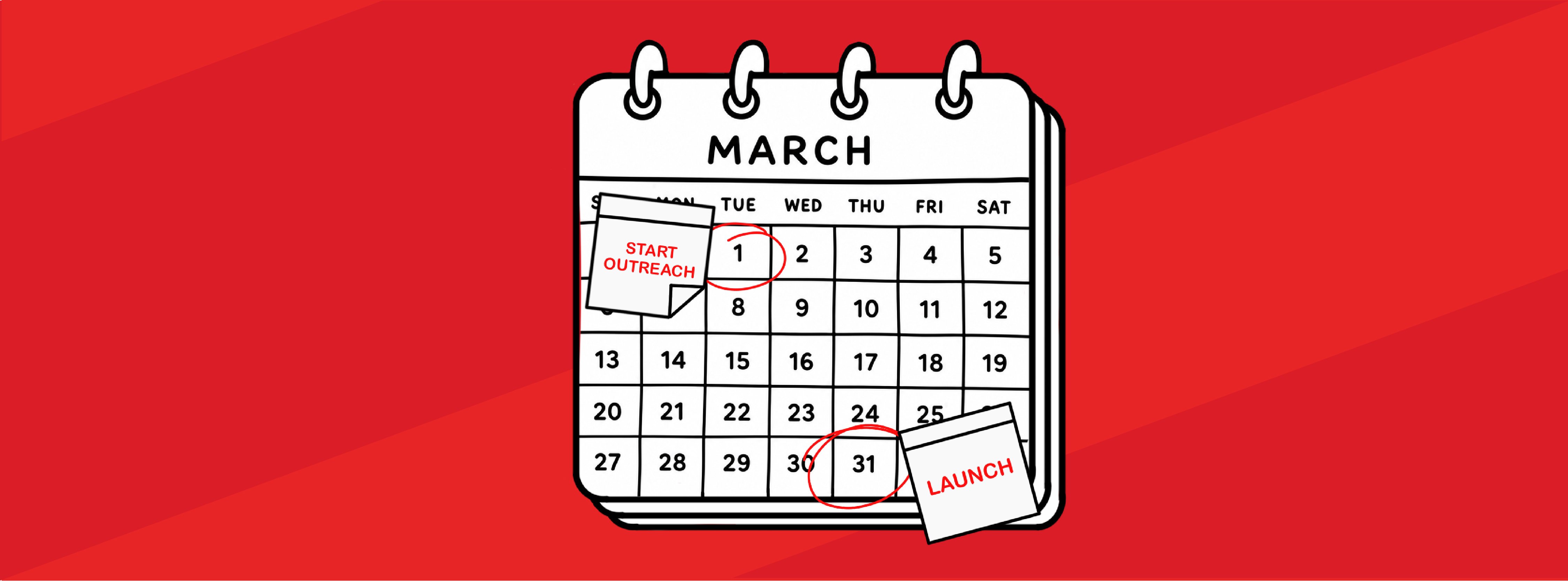
For best results, start planning PR efforts at least one month before you publish your research.
This gives you two weeks to get a strategy together and two weeks to do the kind of advance pitching that can lead to exclusive coverage. Think of an exclusive as an anchor media placement that moves the needle.
Post-launch, you can pitch related stories (contributed bylines, podcast interviews, etc.).
If you’re bringing in outside support for PR, the same rule applies: bring them on board at least a month before launch.
Use research to build trust and drive leads via LLM
Beyond the trust boost you’ll get from media coverage, publishing original research will likely also give you a boost in LLM visibility, which builds trust and can generate leads.
How to make the most of that boost?
According to both this analysis (by Pedro Dias, an AI & search findability architect) and Google’s own official guide to LLM optimization, LLMs can read unstructured text just fine. So you don’t have to worry about special markup or markdown beyond what you’d normally do to make your research discoverable.
That’s good news because LLM visibility is becoming hugely important for B2B brands. Per the G2 research I mentioned above:
- 51% of B2B buyers start their vendor research on LLMs more often than with Google (up from 29% a year ago). Google’s new search interface means that number will only continue to climb.
- 85% of buyers think more highly of a brand when it’s included in an AI answer.
- 1 in 3 purchased from a brand they’d never previously heard of when it was mentioned by an LLM.
- Only 1% of those who had recently bought software didn’t use an AI chatbot to research.
In other words: if you want customers to find you, LLMs need to be able to find you first.
In most cases, that means you should not gate your research.
However, we have clients who are seeing success keeping reports behind email gates. If you’re not sure where to start, try Amanda Natividad’s framework: “Ungate the argument. Gate the utility.”
E.g., post some stats and a summary publicly, then make people “pay” (with email) for the full details.
All to say: there's no universal answer. If you’re not sure what's best for you, I recommend testing. Also, I’d love to hear what's working for you today, especially if you’re publishing original research.